
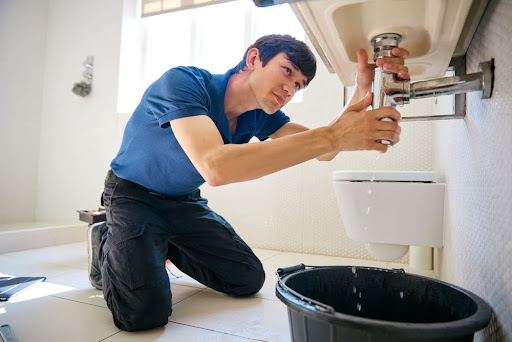
If you’ve ever wondered if plumbing is a good career, the answer is a resounding yes. Plumbing is one of the most in-demand, well-paying skilled trades in the country. With strong wages, job security, and the deep satisfaction of solving real-world problems every day, plumbing as a career offers opportunities that a four-year degree simply can’t guarantee.
But not everyone who picks up a wrench becomes a great plumber. It takes a unique mix of technical ability, critical thinking, and people skills to excel. Whether you’re a student exploring your options, a parent helping your child chart their future, an educator building a career readiness program, or you’re looking to make a career shift, our guide breaks down what it takes to become a good plumber.
One of the most common misconceptions about skilled trades is that they’re a fallback for students who “couldn’t make it” in college. That couldn’t be further from the truth. Plumbing as a career begins with a solid educational foundation, and most aspiring plumbers start right in high school.
A high school diploma (or GED) is the standard entry point into most apprenticeship programs. From there, apprentices spend four to five years learning on the job—earning a paycheck while developing real-world skills—without taking on student loan debt. That’s a meaningful advantage in today’s economy.
During or after high school, students can pursue vocational coursework, career and technical education (CTE) programs, or pre-apprenticeship training that gives them a head start. The combination of classroom instruction and hands-on job training is what transforms a curious beginner into a skilled, licensed tradesperson.
Apprentice plumbers typically earn wages from day one of their training. This makes it one of the few career paths where you get paid to learn a high-demand skill.
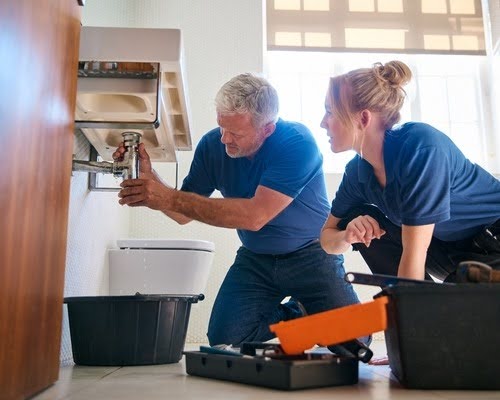
The skills required for plumbing go well beyond turning valves and reading blueprints. Here’s a breakdown of both the technical and human skills that separate good plumbers from great ones.
Here’s what many people don’t realize: the soft skills a plumber brings to the job are just as important as their technical knowledge. A plumber who can fix anything but can’t communicate clearly with a homeowner—or who panics under pressure—won’t go far in their career.

What separates a good plumber from a truly successful plumber often comes down to habits and mindset. Here are the traits that aspiring plumbers should develop from day one of their training.
The plumbing industry evolves constantly. New materials, updated codes, energy-efficient systems, and smart-home water technology all require plumbers to keep learning. The most successful plumbers treat their career as a continuous education, not just a job. Taking on new certifications, staying current on industry developments, and being open to mentorship are all signs of someone who’s in it for the long haul.
Plumbing is physical, demanding, and sometimes requires early mornings or emergency calls. A reliable, hardworking attitude—showing up on time, following through on commitments, and taking pride in clean, quality work—goes a long way in building a reputation and a loyal client base.
When a pipe bursts or a sewer backs up, customers need a plumber who stays calm and thinks clearly. The ability to diagnose a problem quickly, weigh the options, and execute a solution with confidence is what sets truly great plumbers apart. This kind of critical thinking develops over time through hands-on experience.
Working with water, gas lines, and confined spaces means safety is non-negotiable. Good plumbers protect themselves and the people around them by following safety protocols every single time.
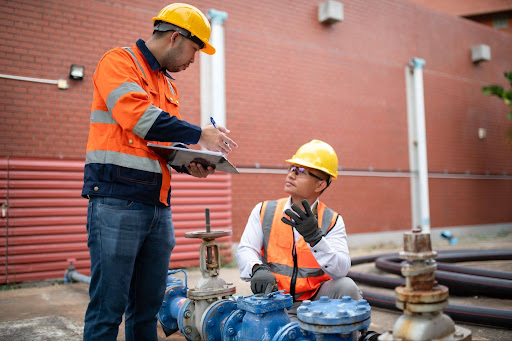
For aspiring plumbers and the families supporting them, it’s fair to ask: is this worth it? The data says yes, emphatically.
According to the U.S. Bureau of Labor Statistics, the median annual wage for plumbers, pipefitters, and steamfitters was $62,970 as of May 2024, and experienced master plumbers and those who own their own businesses can earn significantly more. Job growth in the field is projected to outpace many other industries, driven by aging infrastructure, new construction, and a growing focus on water efficiency and sustainability.
And unlike many white-collar careers, plumbing is largely recession-resistant. People always need running water, functioning drains, and safe gas lines.
Plumbing is also one of the most physically and mentally engaging skilled trades. No two days are the same, and the sense of accomplishment that comes from solving a complex problem or completing a major installation is something you can see, touch, and be proud of.
If you’re somebody who likes working with your hands, enjoys puzzles, and wants a career with a solid future, plumbing might be exactly the path for you. You don’t need to have it all figured out today. What you do need is the curiosity to explore your options and the drive to take the first step.